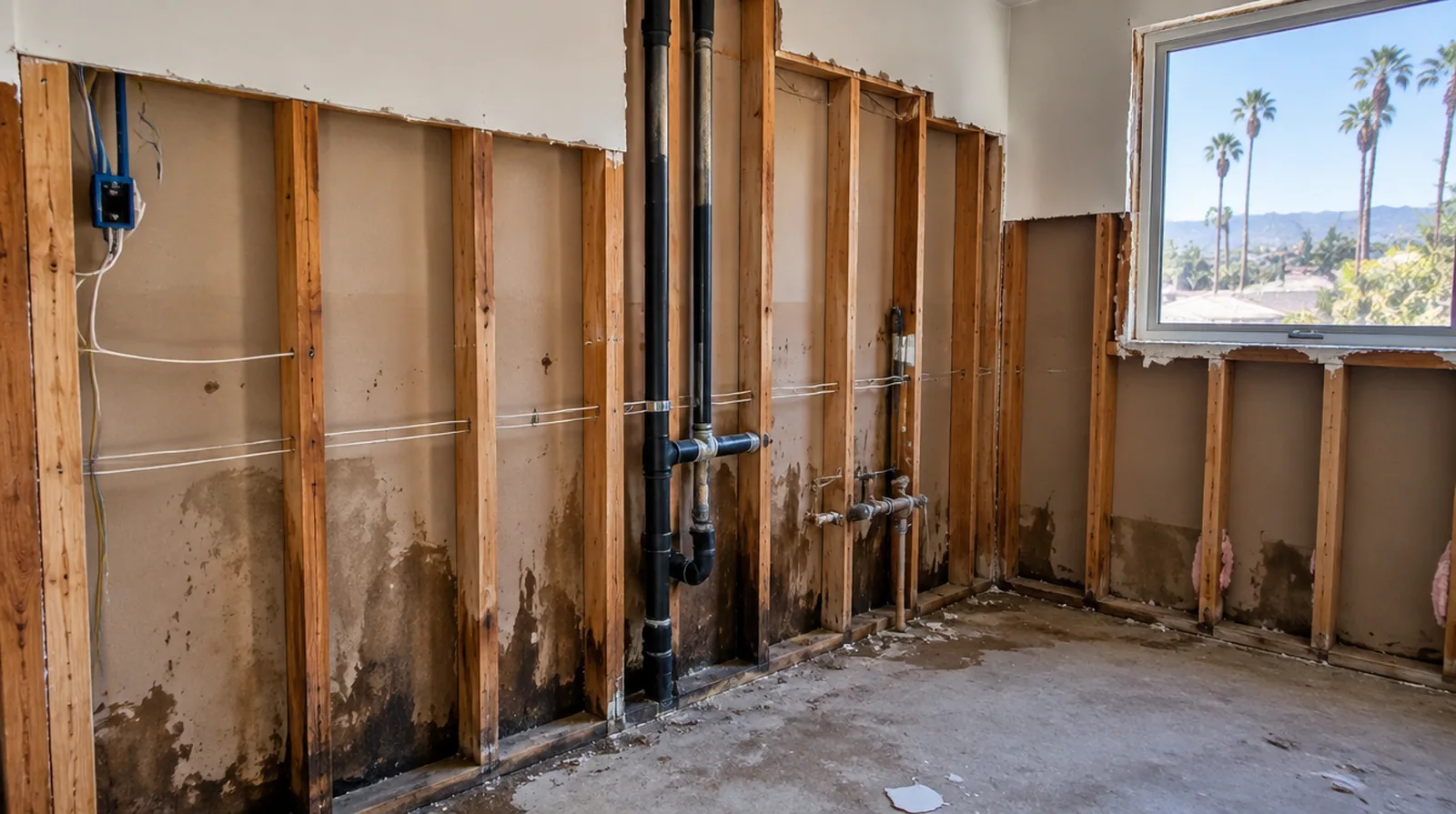
Agree on decorative boundaries
Restoring the gypsum and achieving a consistent painted room finish are not automatically the same scope. Talk through a larger painting boundary if local decoration would leave a conspicuous difference around the patch. When painting is outside the proposal, describe the remaining decorative preparation clearly so another contractor can price that stage accurately.
Keep contamination separate
Suspected microbial contamination or exposure to flood water is outside a routine cosmetic patch assessment. Ask an appropriate remediation professional about containment and material handling before drywall work is scheduled. For a room that stays in use, set a workable boundary around construction while retaining the access people need for normal daily activities.
Finish after moisture control
Tape and finishing compound belong on stable dry material rather than a damp or deteriorating substrate. Give each finishing layer time to dry instead of trapping dampness under additional material. When reviewing the finished work, use the agreed lighting and natural room viewpoints so the assessment reflects the intended use of the space.
Treat remaining discoloration
An old dry mark may bleed through new decoration unless an suitable primer is selected. Confirm that the stain is inactive before choosing a coating system for the repaired surface. When the history of a repair is uncertain, note when it became visible and whether its appearance has altered across distinct seasons.
Verify drying readiness
A surface that feels dry can still conceal moisture in insulation or framing. The project should identify who verifies the cavity is ready before replacement panels close it again. At the handover inspection, review the finish from ordinary room positions using the lighting conditions that were agreed for the work.
Define selective removal
A planned removal area opens the assembly for evaluation without automatically stripping every adjacent surface. The cut boundary also needs to accommodate backing and a practical finished transition. At an edge beside built in furniture, state whether the obstruction will be removed or whether finishing stops at the section that can be reached.
Inspect concealed components
Other components revealed by removal may need attention that is not included in panel replacement. Resolve the condition of exposed insulation, wiring and plumbing before closing the wall. At a repair beside an opening, allow clearance for moving board through the doorway and space to use the finishing tools effectively.
Assess material condition
Staining, swelling, softened edges and loose paper help determine which panels might need removal. The noticeable mark does not always show the full extent of the affected cavity. When more damage could be hidden, ask how any added scope will be documented before extra material is removed or replaced.
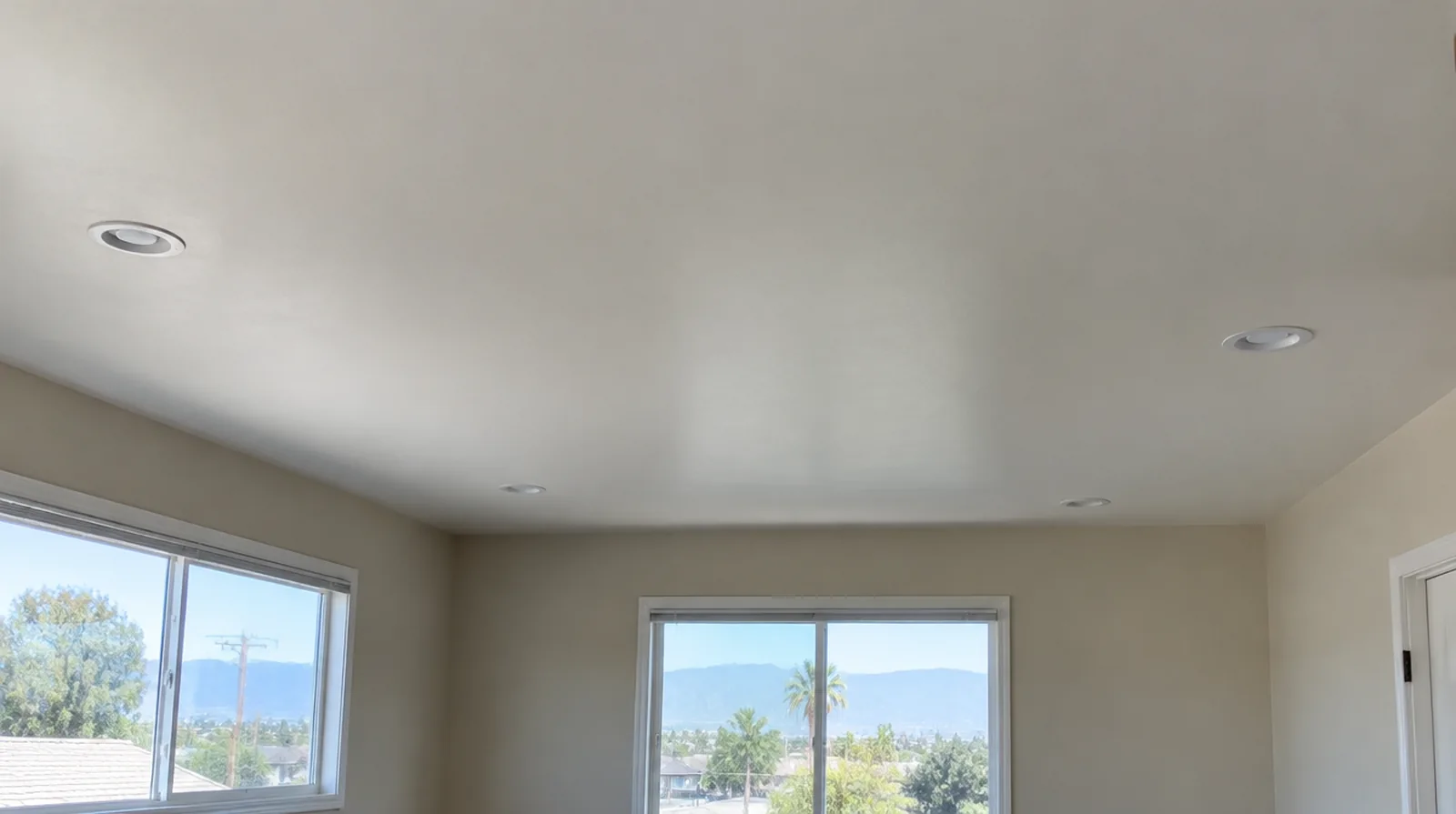
Match the board assembly
Use replacement panels consistent with the original thickness and the assembly that must be restored. Water resistant products do not remove the need to correct the conditions that caused the damage. In a room with little free floor space, identify temporary storage for belongings and establish enough clearance for the work before delivery.
Record the completed scope
Retain useful information about source repairs, material replacement and any drying checks performed by other trades. That documentation distinguishes the completed drywall scope from continuing upkeep and responsibilities elsewhere in the property. If a room has only limited ventilation, discuss how the finishing materials can dry without disrupting comfort or spreading dust elsewhere.
Project context in Pomona
A small sample or a dry review under the room lighting can help settle expectations before the whole surface reaches the decorating stage. Strong side lighting can also make a simple looking wall more demanding to finish.
Scope questions before finishing
At a repair beside an opening, allow clearance for moving board through the doorway and space to use the finishing tools effectively.
For a wall receiving a decorative covering, provide its preparation requirements early adequate for the drywall finish to support that product.
When comparing competing estimates, make sure their protection, surface finish and disposal allowances describe equivalent work before comparing the final prices.
If the coating stability is unclear, assess which layers are adequately bonded and which ought to be removed rather than simply hidden beneath new material.
For a room with restricted airflow, plan drying conditions alongside dust protection and the comfort of people occupying neighboring spaces.
When painting is outside the proposal, describe the remaining decorative preparation clearly so another contractor can price that stage accurately.
For a planned new wall mounted fixture, resolve its backing requirements while the cavity remains open instead of cutting into completed drywall later.
When a paint contractor follows the drywall work, define the surface condition being handed over and decide who handles any minor final touch ups.
Where light reflects along the wall, inspect the complete plane instead of limiting the review to the edge immediately next to the repaired section.
When the project space includes a doorway, check the clearance for panel movement as well as the amount of space available for finishing tools.
When reviewing the finished work, use the agreed lighting and natural room viewpoints so the assessment reflects the intended use of the space.
When a wall has repeated defects, keep a record of earlier repair attempts so a new assessment does not simply repeat an unsuccessful approach.
Explore the Pomona drywall overview for related options, or read the project planning information before arranging the next stage.
More planning details for Pomona
For a Pomona renovation, decide what the finished room will contain before closing an open wall. Shelving, cabinets and other fixtures can require backing or service coordination that is easier to address during installation. Show the intended lighting arrangement and paint sheen while discussing the surface standard.